The Impact of War on Crude Oil Prices and Supply Chains
War has a direct and often immediate effect on crude oil markets. When conflicts erupt, especially in regions rich in oil reserves, the consequences ripple through global supply chains and pricing structures. Understanding how war influences crude oil helps explain sudden price spikes, supply shortages, and shifts in energy policies worldwide.
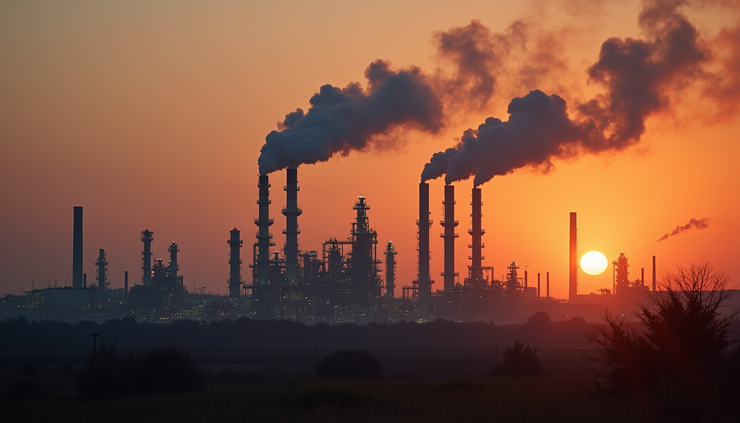
How War Disrupts Oil Production
Many of the world's largest oil reserves lie in politically unstable regions. When war breaks out, oil fields, pipelines, and refineries often become targets or collateral damage. This disruption can reduce production capacity significantly.
Damage to infrastructure: Bombing or sabotage can halt extraction and refining processes.
Restricted access: Armed conflict may prevent workers and engineers from safely reaching facilities.
Export blockades: Naval or land blockades can stop oil shipments from reaching global markets.
For example, during the Gulf War in 1990-1991, Iraqi forces set fire to Kuwaiti oil wells, destroying millions of barrels of crude and causing a sharp drop in supply. This event pushed global oil prices higher and highlighted the vulnerability of supply chains to conflict.
Price Volatility and Market Reactions
Oil prices react quickly to news of war, especially in key producing regions. Traders anticipate supply shortages and potential disruptions, which drives prices up even before actual production declines occur.
Speculation and uncertainty: Fear of prolonged conflict leads to speculative buying, increasing prices.
Risk premiums: Buyers pay extra to secure oil from safer sources or to hedge against future shortages.
Shifts in demand: Some countries may reduce consumption or seek alternative energy sources to avoid dependence on unstable regions.
During the 2003 Iraq War, crude oil prices surged from around $25 per barrel to over $50 within months. The uncertainty about Iraq’s oil production and export capabilities created a premium on oil prices worldwide.
Effects on Global Supply Chains
War affects not only production but also the entire supply chain, from transportation to refining and distribution.
Shipping routes: Conflict zones can make key maritime routes unsafe, forcing tankers to take longer paths or avoid certain areas.
Insurance costs: Higher risks increase insurance premiums for shipping companies, raising overall transportation costs.
Refinery operations: Refineries dependent on crude from conflict zones may face shortages, forcing them to reduce output or switch to more expensive alternatives.
For instance, the Strait of Hormuz, a critical chokepoint for about 20% of the world’s oil trade, has been a flashpoint in Middle Eastern conflicts. Any threat to this narrow waterway immediately raises concerns about supply chain disruptions.
Long-Term Consequences for Energy Security
Wars can accelerate changes in energy policies and strategies. Countries may seek to reduce reliance on unstable regions by diversifying their energy sources or increasing domestic production.
Strategic reserves: Many nations build or expand oil reserves to cushion against supply shocks.
Alternative energy investments: Conflicts highlight the risks of dependence on fossil fuels, encouraging renewable energy development.
New alliances and trade routes: Countries may form new partnerships or open alternative pipelines to bypass conflict zones.
After the 1973 oil embargo, many Western countries increased their strategic petroleum reserves and invested in energy efficiency. Similarly, recent conflicts have pushed some nations to accelerate renewable energy adoption to improve energy independence.
Case Study: The Ukraine Conflict and Its Impact on Oil Markets
The ongoing conflict in Ukraine since 2022 has had a profound effect on global energy markets. Russia is a major oil exporter, and sanctions combined with disrupted supply chains have caused price fluctuations.
Sanctions on Russian oil: Many countries imposed restrictions, reducing Russia’s market share.
Supply rerouting: Oil shipments have been redirected to different markets, causing logistical challenges.
Price spikes: Uncertainty about supply stability led to sharp increases in crude prices in 2022 and 2023.
This conflict illustrates how war can reshape global oil trade patterns and force countries to rethink their energy strategies.
USA, ISRAEL & IRAN war and Its Impact on Oil Markets
Key Impacts of the 2026 Conflict:
Energy & Economic Shock: The closure of the Strait of Hormuz—through which nearly 20% of the world's seaborne oil passes—has caused the largest oil supply disruption since the 1970s. Brent Crude exceeded \(\$120\) per barrel in March 2026.
Military & Infrastructure: "Operation Epic Fury" included US/Israeli strikes that caused extensive damage to Iranian missile launchers, navy vessels, and infrastructure. Iran has retaliated with drones and missiles targeting U.S. and Israeli facilities and regional allies, including desalination plants.
Humanitarian Concerns: The disruption of shipping has severely impacted food imports to the Gulf region, leading to a 40–120% spike in consumer prices. The conflict has also threatened water security in the region.
Global Consequences: The war has accelerated global inflation, with rising fuel costs cutting into households' savings. Shipping routes have been severely disrupted, forcing reroutes around the Red Sea and Gulf, disrupting global trade.
Regional Instability: Iran has used its network of proxies in the Middle East to respond, while the conflict has seen significant casualties on both sides, with thousands reported killed.
Strategic Outcomes: Analysts note the war is a lesson in how superior military power may not instantly yield political victory, as the high costs of conflict put massive strain on the global economy.


Comments